- Details
- Category: Wireless Telecom Law
FWA, or Fixed Wireless Access, is a technology in the telecommunications industry that provides high-speed internet connectivity to households and businesses through wireless radio signals, rather than wired connections like fiber optic cables or coaxial cables.
FWA utilizes wireless technology, such as 4G LTE or 5G NR, to deliver broadband internet services to end-users.
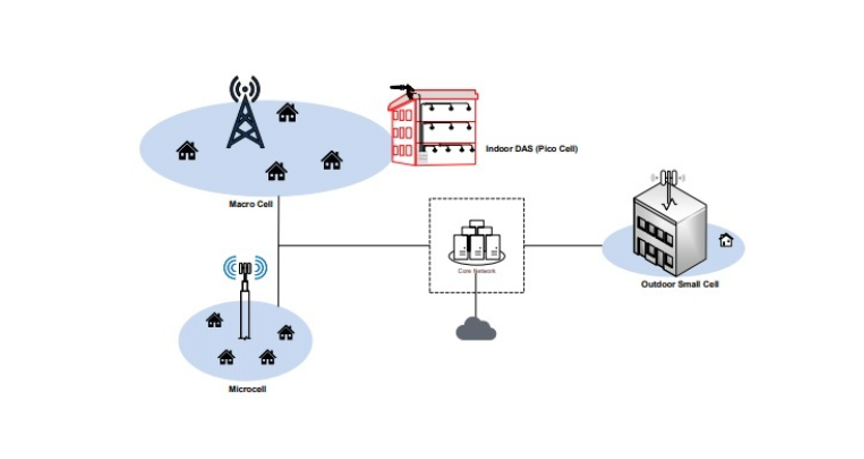
FWA Network Architecture
The FWA network architecture typically consists of a central base station or access point that is connected to the core network (either via a microwave or fiber backhaul), and end-user devices like modems or gateways that receive the wireless signal and provide internet connectivity within a home or business.
FWA Regulatory Landscape
The deployment and operation of FWA networks are subject to various regulatory requirements, such as those established by the FCC in the United States.
These regulations cover aspects like spectrum allocation, transmit power limits, and interference management to ensure the efficient and responsible use of the radio frequency spectrum.
For example, the FCC's Part 96 rules govern the operation of CBRS-based services, including FWA, to protect incumbent users and ensure coexistence with other wireless services
FWA Spectrum and Licensing
The use of these spectrum resources for FWA is closely regulated by the Federal Communications Commission, which sets the rules and requirements for licensing, operation, and interference management to ensure the efficient and lawful deployment of FWA networks across the United States.
FWA can operate on a variety of licensed and unlicensed radio frequency spectrum, including the CBRS 3.5 GHz band. In CBRS application, incumbent users, such as the U.S. Navy, hold Priority Access Licenses in the CBRS band, while General Authorized Access is available for other FWA and wireless broadband providers.
FWA can also leverage unlicensed spectrum, such as the 2.4 GHz and 5 GHz Wi-Fi bands, to provide internet connectivity, especially in areas where licensed spectrum is scarce or expensive. Alternatively, FWA providers may obtain licensed spectrum through auctions or private leasing arrangements to ensure quality of service and reliability for their customers. Learn more about Spectrum Licensing.
Contact Us
Kama Thuo, PLLC is a Wireless Telecommunications Law firm with expertise in FCC regulatory counseling and spectrum allocation. Contact us to see how we can assist with FWA applications or other wireless regulatory needs.
- Details
- Category: Wireless Telecom Law
The Federal Communications Commission (FCC) oversees the allocation and licensing of frequency bands throughout the United States. As the demand for wireless communication services grows, efficient spectrum management is increasingly important. To achieve this, the FCC partitions the country into various geographic and economic areas for licensing purposes, ensuring a balanced and effective distribution of frequencies.
1. Geographic License Areas
The FCC divides the U.S. into several geographic regions based on specific services, population density, and market dynamics. Key classifications include:
- Cellular Market Areas (CMAs)
CMAs represent the primary geographic framework for cellular services. There are 734 CMAs, which comprise both Metropolitan Statistical Areas (MSAs) for urban centers and Rural Service Areas (RSAs) for less populated regions. While MSAs focus on larger populations, RSAs cater to rural areas, supporting the unique needs of both environments.
Reference: 47 CFR § 22.909.
- Basic Trading Areas (BTAs)
Designed for personal communications services (PCS) and other wireless applications, BTAs consist of 493 smaller geographic areas identified by economic activity and local population centers. Citation: 47 CFR § 24.202(a).
- Major Trading Areas (MTAs)
MTAs are larger than BTAs, consisting of 51 regions that typically encompass several BTAs. They are primarily used for services such as broadband PCS, allowing for broader coverage across multiple markets. Citation: 47 CFR § 24.202(b).
- Economic Areas (EAs)
With 176 defined EAs, these areas service networks like the 220 MHz service and 700 MHz band, facilitating licensing based on economic demand and activity levels. EAs often include combinations of BTAs or CMAs. Citation: 47 CFR § 90.761.
- Regional Economic Area Groupings (REAGs)
Regional Economic Area Groupings (REAGs) consist of 12 larger regions that group multiple EAs to support services that require extensive coverage, enhancing the ability to deliver nationwide communications. Citation: 47 CFR § 27.6.
- Nationwide Licenses
Certain services, such as satellite communications and specific high-demand frequency bands, can be licensed for operation across the entire United States.
2. Regional Divisions
In addition to geographic licensing, the FCC also organizes frequency bands based on broader regional areas:
- Public Safety Regions: The FCC recognizes 55 public safety regions specifically for managing communications in emergencies. These regions are particularly relevant for frequencies operating in the 700 MHz and 800 MHz bands and are structured around state boundaries and geographic characteristics. Citation: 47 CFR § 90.527.
- FCC Regions for Licensing (AM Radio): The U.S. has three distinct FCC regions for AM radio services, each with specific propagation characteristics and frequency allocations. Citation: 47 CFR § 73.21.
3. Rural vs. Urban Areas
The FCC makes distinctions between urban and rural areas for various frequency bands, particularly in mobile services.
- Urban Areas: These regions typically feature more competitive licensing frameworks and are densely populated, often categorized under MSAs.
- Rural Areas: Designed to encourage service deployment in less populated regions, rural areas may be licensed under RSAs or similar geographic classifications.
4. State and County-Based Licensing
In specific cases, such as public safety communications, broadcast frequencies, and microwave services, licenses may be issued on a state or county basis. For instance, the 600 MHz band features county-based licenses to support regional and rural service availability better. Citation: 47 CFR § 27.6.
5. International Boundaries
Given the proximity of Canada and Mexico, the FCC must consider international boundaries when managing the spectrum near these borders. Areas designated as Border Coordination Zones require special attention to prevent cross-border interference, ensuring harmonious spectrum usage. Citation: 47 CFR § 27.57.
Contact Us
Kama Thuo, PLLC is a Wireless Telecommunications Law firm with expertise in FCC regulatory counseling and spectrum allocation. Contact us to see how we can assist with your wireless regulatory needs.
- Details
- Category: Wireless Telecom Law
The Federal Communications Commission (FCC) has established specific labeling requirements for devices that require certification/compliance. These requirements ensure that products comply with FCC rules and can be easily identified by users and regulators.
See below the general requirements:
1. Physical Labeling:
- FCC Identifier (FCC ID): Every certified product must have a nameplate or label with the FCC ID, as defined in 47 CFR § 2.925. This ID must be accessible when using the product.

A close up of a label description with FCC ID
- Placement: The FCC ID must be on the product's surface or within a user-accessible, non-detachable compartment (e.g., battery compartment). The label must be permanently affixed and legible.
- Small Devices: If the device is too small to label with a font size of four points or larger, the FCC ID can be placed in the user manual and on the device packaging or a removable label attached to the device.
2. Electronic Labeling:
- Built-in Display: Products with a built-in display or those that operate with another product having an electronic display can use electronic labeling (e-labeling) to show the FCC ID and other required information. See 47 CFR § 2.935.
3. Packaging Information:
For equipment with electronic labeling, the following applies as outlined in 47 CFR § 2.935(f)
- E-Label Devices: Devices using e-labeling must also have the FCC ID and other identifying information on the device or its packaging. This ensures the device can be identified at the time of importation, marketing, and sales.
- Label Durability: Any removable label must survive normal shipping and handling and should only be removed by the customer after purchase.
4. Additional Requirements:
- Signal Boosters: Specific advisories must be included in online and print materials, the owner's manual, installation instructions, and on the device's packaging and label. See 47 CFR § 20.21(f)(1).
- SDoC equipment: Devices authorized under the Supplier's Declaration of Conformity (SDoC) procedure have the option to use the FCC logo to indicate compliance with the FCC rules and the logo may be included in the instruction materials or as part of an e-label. See 47 CFR § 2.1074; see also Wireless Equipment Authorization.

FCC logo
- RF Exposure Information: Additional user information for RF exposure compliance must be provided either in the instruction manual or through other accessible means. See more on RF exposure in sections 47 CFR § 2.1091 and § 2.1093.
5. Compliance Statements:
- Part 15 and Part 18 Devices: Devices authorized under Part 15 subject to SDoC or certification shall be labelled as outlined on 47 CFR § 15.19 for part 15 or 47 CFR § 18.212 for part 18.
For a handy lookup of FCC IDs, see the Rfwel Engr Wireless Telecom Research FCC ID page.
About the Author and Firm
Brian Kibet is a multidisciplinary professional with expertise in wireless engineering, paralegal practice, and software development. His work spans device compliance, regulatory frameworks, and intellectual property processes, leveraging AI and automation to streamline workflows while bridging the gap between technical innovation and legal strategy.
Kama Thuo, PLLC is an engineering and technology law firm focused on patents, artificial intelligence, and wireless telecommunications law, including expertise in FCC regulatory counseling. Contact us to see how we can assist with equipment authorization.
- Details
- Category: Wireless Telecom Law
With the growth of unmanned aircraft systems (UAS) and the increased demand for reliable control and non-payload communications (CNPC) for safe UAS operation, the FCC has established new frequency allocation rules in Part 88 for the Unmanned Aircraft Control Service (UACS). Specifically, the FCC allocated the 5030-5091 MHz band for the UAS Control and Non-payload Communications (CNPC) necessary to support unmanned flights. This article delves into the structure of frequency allocation within Part 88, comparing it to other dynamic frequency management systems like those in CBRS (Part 96), and discussing the safeguards in place to avoid interference with adjacent Radio Navigation Satellite Service (RNSS) and AeroMACS allocations. Learn More about Part 88 (UACS).
Frequency Allocation Structure in UACS
Under Part 88, the FCC introduced a new mechanism called the Dynamic Frequency Management System (DFMS), an automated coordination system designed to manage the shared use of spectrum in the 5030-5091 MHz band specifically for CNPC. According to FCC WT Docket No. 22-323, the DFMS allows UAS operators to submit spectrum requests for temporary, protected use in specific geographic areas for defined time periods. Unlike traditional fixed spectrum licenses, the DFMS enables UAS operations to dynamically access spectrum without requiring long-term, exclusive licensing. The aim is to efficiently support the short-term and dynamic communication needs of UAS while preserving spectrum availability for other users.
Dynamic Frequency Management System (DFMS) in UACS vs. Spectrum Access System (SAS) in CBRS
Both the DFMS for UACS and the Spectrum Access System (SAS) for the Citizens Broadband Radio Service (CBRS) use a dynamic approach to allocate spectrum access on an automated basis. However, there are notable differences between the two systems in scope and implementation. Learn More about CBRS Spectrum Allocation.
Purpose and Band Management:
- DFMS (UACS, Part 88): The DFMS is focused on providing interference-protected access to UAS operators for CNPC in the 5030-5091 MHz band. The system is optimized to support short-term, time-bound UAS operations, where each request corresponds to a specific flight.
- SAS (CBRS, Part 96): The SAS manages the 3550-3700 MHz CBRS band, supporting a tiered user structure including Incumbent, Priority Access License (PAL), and General Authorized Access (GAA) users. CBRS provides managed spectrum sharing between public and private entities with longer-term needs for spectrum access.
Automated Assignment and Interference Protection:
- DFMS: Requests to the DFMS must include operational details such as location, duration, and altitude to prevent interference. The DFMS dynamically adjusts assignments to avoid conflicts based on available spectrum and flight-specific parameters.
- SAS: The SAS system requires periodic heartbeat signals from CBRS devices (CBSDs) to confirm that spectrum assignments are active and interference-free. Through these heartbeat exchanges, the SAS can rapidly reallocate frequencies in response to higher-priority users, such as military radar.
Coordination and Flexibility:
- DFMS: Unlike CBRS, where heartbeats validate ongoing usage, DFMS requires advance coordination for each UAS operation. However, it offers flexibility by not mandating strict “flight plan” information, instead requiring basic details necessary for interference modeling and spectrum reservation. The DFMS tailors frequency assignments to match the geographic, temporal, and spectral needs of each UAS flight, supporting flexible, on-demand access.
- SAS: The SAS can modify frequency assignments based on real-time needs and regulatory priorities but operates without requiring detailed operational parameters.
Protection of Adjacent RNSS and AeroMACS Services
The UACS spectrum allocation and associated technical rules are carefully designed to minimize the risk of interference with critical adjacent services:
RNSS (5010-5030 MHz): Radio Navigation Satellite Service is protected by technical requirements that include limits on out-of-band emissions (OOBE) as specified in RTCA DO-362A standards. Additionally, the separation between UACS (5030-5091 MHz) and RNSS frequencies minimizes the potential for interference, ensuring safe and reliable satellite navigation.
AeroMACS (5000-5030 MHz, 5091-5150 MHz): AeroMACS, a broadband service supporting airport surface operations, is allocated to both lower and upper adjacent bands around UACS frequencies. To prevent interference with AeroMACS operations, UACS deployments must adhere to specific antenna siting and OOBE limits in accordance with RTCA standards. The FAA guidelines recommend that UAS ground station antennas avoid pointing directly toward AeroMACS base stations at airports, reducing the likelihood of interference in critical airport areas. Learn more about AeroMACS.
Guard Bands: While specific guard bands have not been mandated, the FCC has structured UACS spectrum usage and technical requirements to provide adequate buffer zones between RNSS, AeroMACS, and UAS CNPC, limiting potential cross-service interference.
Key UACS Regulatory Parameters for DFMS
Under Part 88, the DFMS is required to implement several regulatory parameters to manage the shared spectrum for UAS operators:
- Frequency Assignments: DFMS assignments are made for limited durations and specific geographic areas, with a maximum flight duration of 24 hours per assignment and a restriction on advance reservation to seven days.
- Automation and Coordination: DFMS administrators must ensure automated responses to spectrum requests and coordinate with any other DFMS systems to prevent conflicting assignments.
- Flexible Request Processing: DFMSs are permitted to adjust the frequency assignment terms based on availability and interference considerations, ensuring that UAS operators receive reliable access without monopolizing spectrum resources.
Conclusion
The FCC’s Part 88 allocation and DFMS framework represent a significant step in supporting the UAS industry by creating a dynamic, automated system to manage frequency access in the 5030-5091 MHz band. Drawing inspiration from the CBRS SAS model, the DFMS provides a tailored approach for UAS operations with time- and location-based frequency assignments. Through careful spectrum allocation, coordination requirements, and built-in protections for adjacent RNSS and AeroMACS services, Part 88 aims to balance the needs of UAS operators and existing users in adjacent bands, allowing for efficient, secure, and reliable unmanned aircraft control communication.
About the Author
Roque Thuo (KF7RCQ) is a licensed attorney (Arizona, California, and USPTO) and a licensed professional electrical engineer (Arizona) specializing in wireless telecommunications law. He advises clients on engineering and technology matters, including patent drafting, analysis, portfolio management, AI technology counseling, and wireless telecommunications law. He combines legal and hands-on technical expertise to help clients navigate complex IP & technology transaction challenges. Prior to founding his law firm, Roque practiced patent law at an Am Law 50 firm, following earlier hands-on experience as an integrated circuit design engineer at Fortune 500 high-tech companies.
Contact us to see how we can assist with your wireless regulatory needs.
Preferred support vendors:
AI Automation Vendor (Rfwel Engr AI Group) | Patent Analysis AI Tool (patanal.ai) | Patent Analytics Vendor (Patent Analytics, Inc) | Wireless Technology Consultants (Rfwel Engr WDI Research)
- Details
- Category: Wireless Telecom Law
The Citizens Broadband Radio Service (CBRS) is a shared spectrum in the 3.5 GHz band (3550-3700 MHz) in the United States, designed to enable efficient use of mid-band spectrum for wireless broadband and other applications. Learn More.
The CBRS framework allows for dynamic, hierarchical spectrum sharing among three levels of users to maximize spectrum access and minimize interference. Here’s an overview of the frequency allocation in CBRS and the role of the heartbeat in maintaining the system’s functionality:
1. CBRS Frequency Allocation and Access Tiers
The CBRS band operates with three tiers of users:
-
Incumbent Access: This tier includes federal/government users, such as the U.S. Navy, and other pre-existing users, like satellite ground stations, who have priority access to the band. They can operate without interference from other users, and the SAS protects this tier by dynamically managing other users when incumbents are active.
-
Priority Access License (PAL): Licensed to specific users (such as wireless carriers) for exclusive use in specific geographic areas. PAL licenses are auctioned by the FCC, providing license holders with access to 10 MHz channels within the 3550-3650 MHz portion of the CBRS band. PALs must still defer to Incumbent users, ensuring they don’t interfere with Incumbent operations.
-
General Authorized Access (GAA): This tier provides open access to any CBRS-compliant device (CBSD) without the need for a license. GAA users can operate in both the 3550-3650 MHz (if unassigned by PALs) and 3650-3700 MHz bands, but they must avoid interfering with PAL and Incumbent users.
2. Spectrum Access System (SAS)
The SAS is a cloud-based coordination and control system that manages access to the CBRS band across these tiers. The SAS dynamically assigns frequencies and power levels to CBSDs based on current spectrum conditions, ensuring non-interference with higher-priority users. Each CBSD must register with the SAS, which then authorizes it to transmit based on available frequencies and geographic location.
3. The Heartbeat Process
To maintain real-time management of CBRS frequencies and ensure compliance with Incumbent and PAL protections, the SAS and CBSDs engage in a heartbeat exchange. Here’s how the heartbeat works in CBRS:
-
Periodic Authorization Check: The CBSD sends a heartbeat signal to the SAS at a defined interval (typically every 5-60 seconds), confirming its continued authorization to operate on a specific frequency and at a particular power level. This keeps the SAS informed of active devices and ensures they are not creating harmful interference.
-
Dynamic Reallocation: If a higher-priority user, like an Incumbent, begins using the band within the CBSD’s operating area, the SAS will respond to the next heartbeat with instructions for the CBSD to change frequency, lower power, or cease operations entirely to protect the Incumbent’s use.
-
Disconnection Detection: If the SAS stops receiving heartbeats from a CBSD, it assumes the device has disconnected or ceased transmission, and the frequency it was using can be reallocated. This minimizes unused spectrum and prevents interference with other devices.
The heartbeat system is central to the CBRS’s ability to share spectrum dynamically while protecting priority users and optimizing spectrum usage across all tiers.
4. Benefits of the CBRS Framework
- Efficient Spectrum Use: The tiered, SAS-coordinated approach allows multiple users to share the same frequencies effectively, maximizing the use of the valuable mid-band spectrum.
- Interference Management: Through the heartbeat mechanism and SAS oversight, the CBRS framework ensures priority users are protected from interference while allowing flexible access for others.
- Cost-Effective Expansion of Wireless Services: By allowing GAA access, the CBRS band enables smaller operators, enterprises, and new entrants to utilize high-quality spectrum for applications like private LTE/5G networks without having to buy spectrum at auction.
About the Author
Roque Thuo (KF7RCQ) is a licensed attorney (Arizona, California, and USPTO) and a licensed professional electrical engineer (Arizona) specializing in wireless telecommunications law. He advises clients on engineering and technology matters, including patent drafting, analysis, portfolio management, AI technology counseling, and wireless telecommunications law. He combines legal and hands-on technical expertise to help clients navigate complex IP & technology transaction challenges. Prior to founding his law firm, Roque practiced patent law at an Am Law 50 firm, following earlier hands-on experience as an integrated circuit design engineer at Fortune 500 high-tech companies.
Contact Roque for help with spectrum allocation in Part 96 (CBRS) or any other FCC Radio Service, and for other wireless telecom legal issues.